The term
What is neuromarketing, in short?
Neuromarketing uses insights about the brain to understand why people buy, click or drop off. Most of these decisions are made faster and less consciously than we think. Knowing this changes how you design ads, prices, websites and sales conversations.
Neuromarketing is not a channel of its own like social media or newsletters. It is a way of thinking that applies to every tool in marketing.
Impact
What a neuromarketing keynote delivers
It changes how people look at things. Once you understand that customers rarely compare data sheets and often follow their gut, you read your own website with different eyes. Suddenly things stand out that nobody noticed before: the button that does nothing. The form with three fields too many. The price that unsettles more than it convinces.
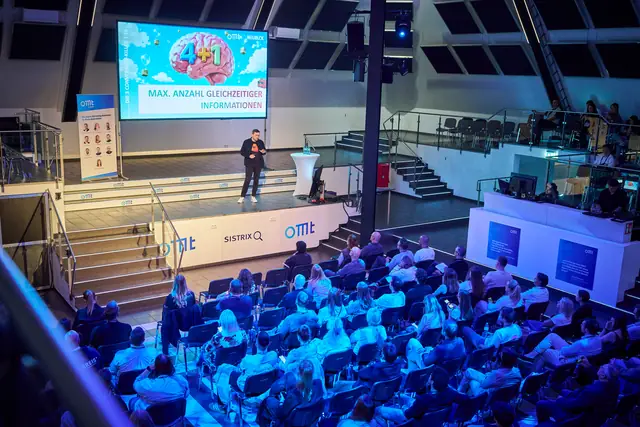
Good keynotes in this field use experiments the audience can join in, examples from well-known brands and studies that surprise. People laugh, do the maths along with you and leave with two or three sentences they can apply the next morning.
Topics
Typical topics of a neuromarketing keynote
Most organisers ask for one of these areas:
- Why customers drop off even though product and price are right: “Neuromarketing for SMEs”
- How a brand turns into revenue: “Brands. Bring. Business.”
- How the brain sets traps for us, when buying and in team decisions: “Sabotage in Your Head”
- Which tricks advertising and retail use: “The Colourful Side of Power”
- How a click turns into a purchase: “The Neuro-Conversion Framework”
- How companies win as employers: “Your Brand’s DNA”
Occasions
Which events is the topic right for?
Marketing conferences and trade events, sales meetings, business summits for SMEs, customer events and internal strategy days. The audience needs no prior knowledge. A room full of marketing professionals gets different examples from a mixed workforce; the message stays the same.
Choosing
How to recognise a good neuromarketing speaker
They draw a clear line between solid findings and stage magic. There is no “buy button in the brain”, and anyone who promises one is selling themselves rather than knowledge. They name their sources, including where a study was later not confirmed. And they get the audience to do something differently the next morning.
In the first call, ask for reviews from organisers, recordings of real appearances and how far the talk is tailored to your audience.
Christian Dietz
Christian Dietz as a neuromarketing keynote speaker
Christian Dietz is not a brain researcher. He is the one who translates. He studied journalism, holds a professional qualification in public relations and an MBA in Communication & Leadership, and has run the agency NEUBLCK for more than 20 years. In his talks, studies meet examples from real projects. And FRED, the red brain wearing glasses.
Recent stages include OMT, Campixx, Digital Bash, AFS+, DENIC and the RTL AdAlliance SMB Summit. On the OMT speaker portal the audience rates him 4.9 out of 5 stars. What organisers say is on the testimonials page.

FAQ
Frequently asked questions
What is the difference between a keynote and a talk?
A keynote is shorter and more pointed, often the opening or highlight of an event. A talk leaves more time for depth and questions.
How long is a neuromarketing keynote?
Usually 30 to 60 minutes, depending on your programme. For short slots there is the impulse talk of 20 to 30 minutes.
Is the topic interesting for people without marketing knowledge?
Yes. Everyone shops, everyone sees advertising. The examples work without specialist knowledge.
Is it available in English?
Yes, all talks.
How do I book a neuromarketing keynote speaker?
Via the enquiry form or by phone. What happens next is explained on the page Book a keynote speaker.
Neuromarketing on your stage
Tell me briefly about the occasion, date and audience. I usually reply within 48 hours.